September is Healthy Aging Month, a time dedicated to learning how physical, mental, and emotional health changes with age. Because oral health is closely linked to overall wellness, it’s important to understand how dental needs evolve over time. Below we highlight common age‑related shifts and offer practical tips to keep your smile healthy in your golden years.
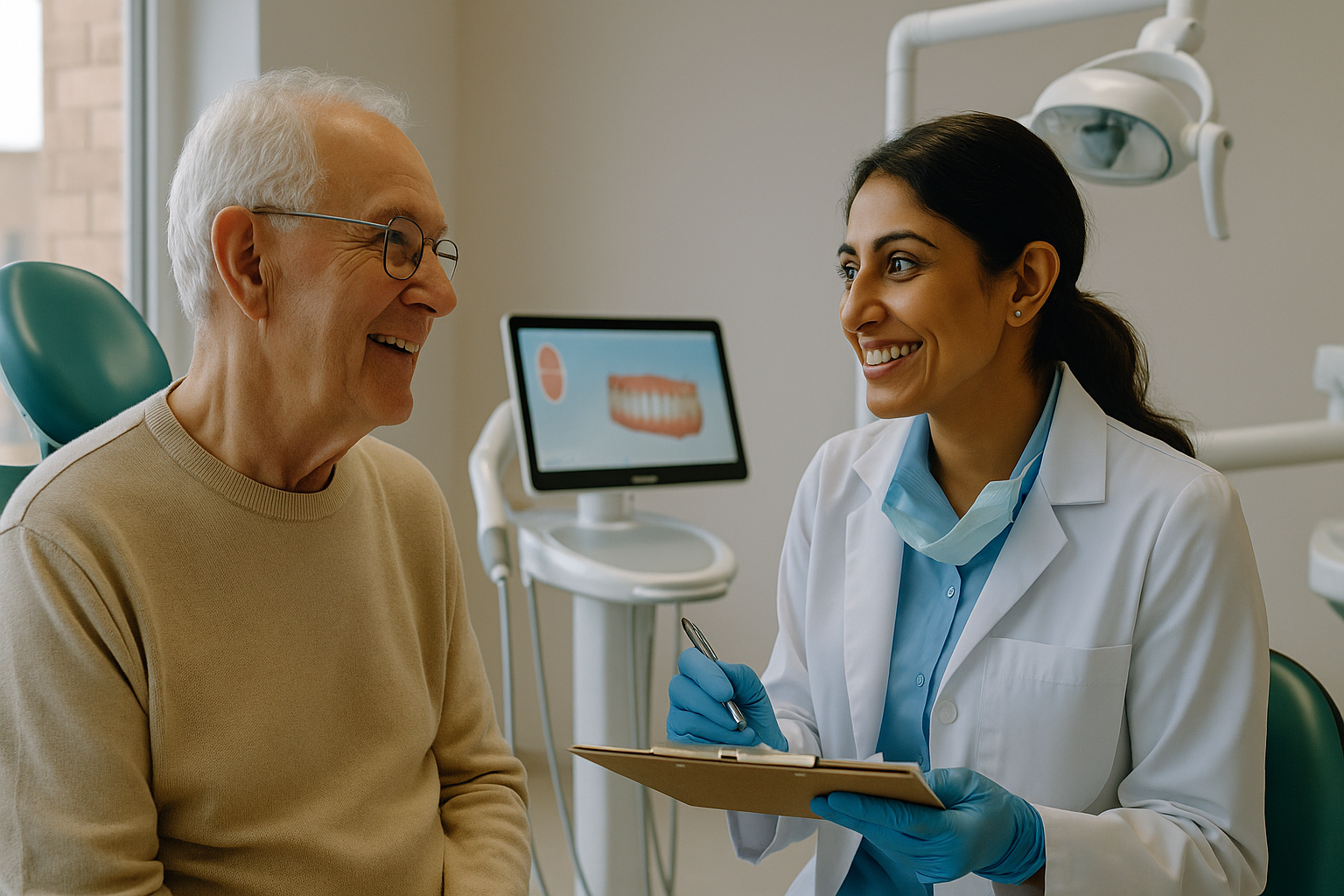
Common Changes in Oral Health with Age
We rely on our teeth every day to eat, speak, and smile. Over the years, daily use combined with age‑related health changes can impact the teeth, gums, and supporting bone. Here are the shifts to watch:
Gum Disease Risk Increases
Over time, plaque buildup, dry mouth, and chronic conditions like diabetes can increase the risk of periodontal (gum) disease. About 68% of adults over 65 have had gum disease diagnosed. Because it’s the leading cause of tooth loss, early detection and periodontal maintenance are essential.
Dry Mouth Is More Common
Many older adults take multiple medications—antihistamines, antidepressants, opioids, antibiotics—and dry mouth is a frequent side effect. Healthy saliva helps wash away food and neutralize acids between brushings. Persistent dryness raises your risk for cavities, gum disease, and bad breath. Hydration, sugar‑free lozenges, and saliva substitutes can help, along with a medication review.
Enamel Wear
Enamel is the hardest substance in the body, but years of chewing, brushing, and grinding slowly thin it. Since enamel doesn’t regrow, you may notice tooth sensitivity, discoloration, or chipping. Targeted treatments—fluoride, bonding, or protective restorations—can strengthen and protect enamel for the long term.
Loose or Shifting Teeth
As we age, tooth loss and shifting become more common. The average 65‑year‑old has about 21 teeth remaining—roughly 11 fewer than in early adulthood. Changes in bone and bite can affect function and comfort. Modern restorative and preventive dentistry helps replace missing teeth and preserve the ones you have.
Oral Cancer Risk Increases
While oral cancer can occur at any age, it’s more common in older adults—about half of cases occur in people 65+. Detected early, it’s more responsive to treatment. Your dentist screens at every visit for early signs of precancer and cancer.
Tips for Maintaining a Healthy Mouth as You Age
- Brush and floss regularly: Brush twice daily with fluoride toothpaste and floss once a day (including around crowns, bridges, and other dental work).
- Schedule regular dental visits: Routine exams and cleanings help us catch changes early; some patients benefit from more frequent visits.
- Choose tooth‑friendly foods: Emphasize dairy, leafy greens, and crunchy fruits/veggies; limit sugary and acidic foods.
- Keep restorations up to date: Fillings, dentures, and appliances may need repair or replacement to maintain comfort and function.
- Watch your gums: Bleeding, swelling, or recession are warning signs—let us know right away.
- Get screened for oral cancer: Screenings are quick, comfortable, and important for early detection.
Aging Well Includes Oral Health
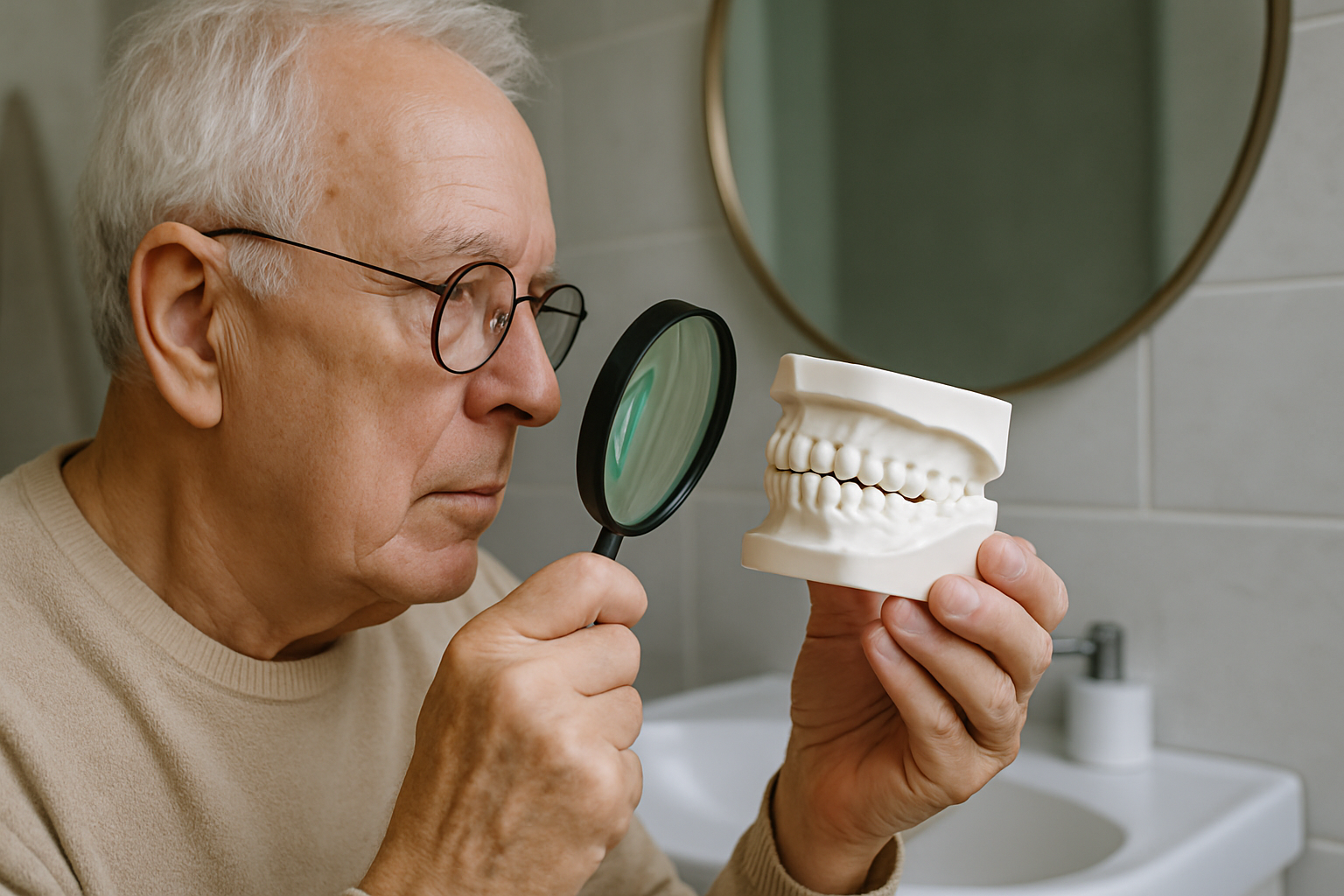
Good oral health is essential as you age. With informed daily habits and regular professional care, you can keep your smile healthy and functional at every stage. If you have questions—or you’re due for a visit—contact our team. We’re here to help.