
How Stress Can Impact Your Smile
How Stress Can Impact Your Smile
When life brings changes or challenges, stress is the body's natural response. It is something everyone experiences from time to time, with 75% of Americans reporting feelings of stress in any given month. In small doses, stress can be useful, helping us rise to difficult situations and accomplish daily tasks. However, too much stress can take a negative toll on the body, including the mouth. Read on to learn how stress can impact your oral health and get helpful tips for keeping it at bay.
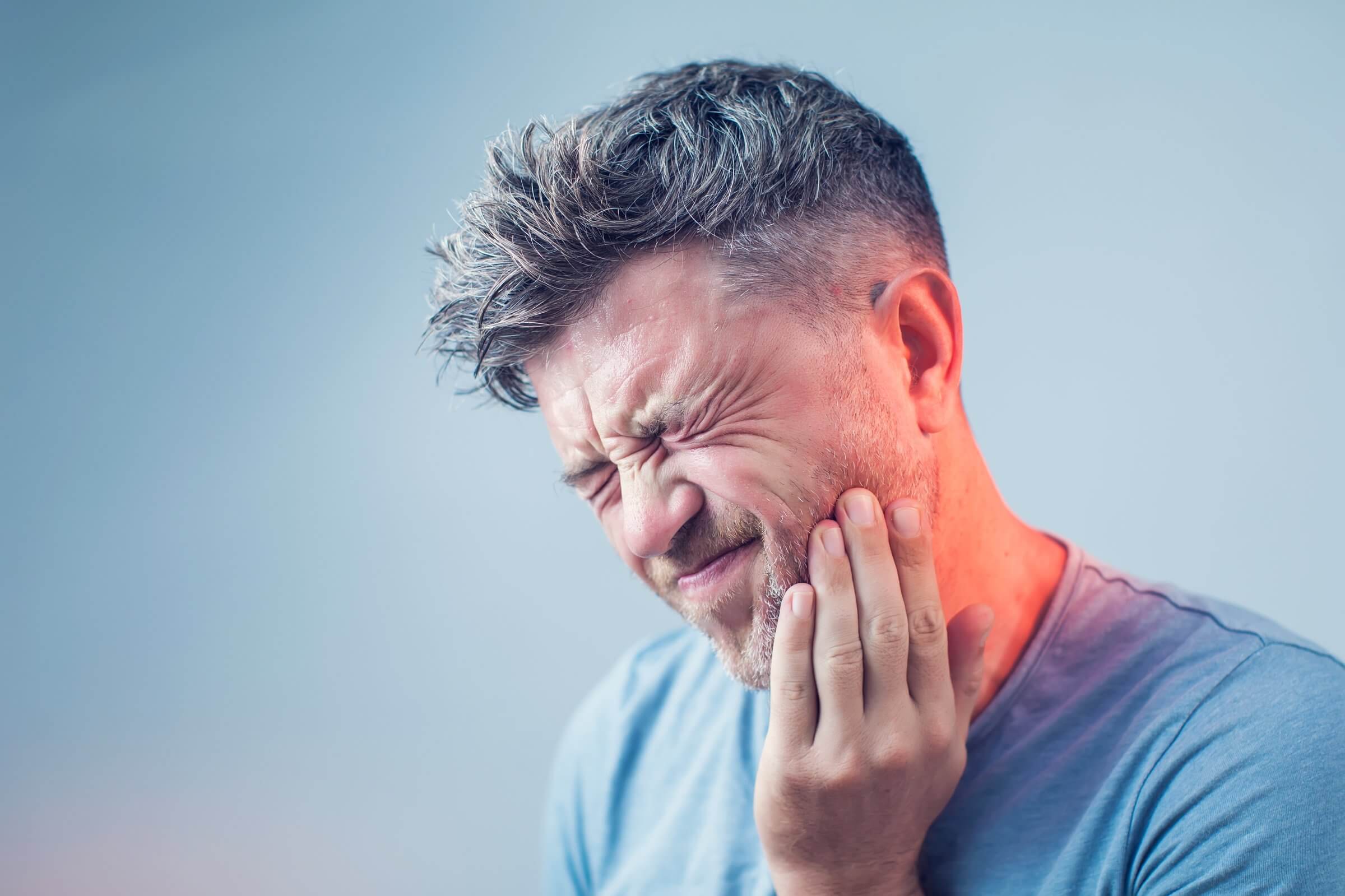
The Surprising Impact of Stress on Oral Health
When you think of the physical impacts of stress, stomachaches, headaches, and muscle tension may come to mind. However, chronic stress can also affect your oral health in several surprising ways:
Teeth Clenching & Grinding: Jaw tension tends to show up more in times of stress. During the pandemic, 70% of dentists saw a significant increase in the number of tooth clenching and grinding cases at their practice. Clenching typically happens during the day when you unconsciously bite your top and bottom teeth together, while grinding usually occurs at night as your teeth slide against each other during sleep.
Over time, both habits can lead to enamel wear, chipped teeth, jaw pain, and facial muscle strain. If you clench during the day, working with a therapist on relaxation and awareness techniques can help you become aware of the habit and stop it. For nighttime grinding, a custom nightguard from your dentist can protect your teeth from damage while you sleep.
Tooth Decay & Gum Disease: Building healthy habits takes time, but stress can quickly derail them. When you are overwhelmed, it is easy to reach for sugary snacks or drinks, skip brushing and flossing, or turn to tobacco or alcohol for relief. Unfortunately, these coping behaviors significantly increase your risk for gum disease and tooth decay. The best defense is to stay consistent with your oral hygiene routine, choose nutritious foods that support your body and smile, and find healthy ways to manage stress.
Oral Sores: Canker sores are small white ulcers that develop on the inside of the cheeks and lips. While many people associate canker sores with eating too much sugar or citrus, stress is also a major trigger. When you are stressed, your immune system weakens, making you more susceptible to these painful sores. Though canker sores are not contagious, they can make chewing and talking uncomfortable. Most heal on their own within a week or two, but if a sore persists beyond two weeks, see your dentist for an evaluation.
How to Protect Your Smile During Stress
During times of stress, a little extra care can go a long way when it comes to protecting your smile. Staying up with your oral care routine, brushing for a full two minutes twice a day, and flossing daily, can help maintain a healthy smile.
Do not skip your regular dental checkups, either. Your hygienist can remove built-up plaque and tartar, while your dentist can spot early signs of stress-related damage like enamel wear from grinding, cavities, or gum disease and address them before they become serious problems.
Tips to Manage Stress
- Establish a Morning Routine: Wake up 15 minutes earlier to include a stress-relieving activity, such as reading, journaling, meditating, or taking a short walk, before starting your day.
- Eat Healthy Foods: Incorporate nutrient-rich foods, such as fruits, vegetables, whole grains, and lean proteins, to help stabilize your energy and mood throughout the day.
- Practice Stress Relief Techniques: If you feel overwhelmed during the day, take a quick pause from the task and practice a stress-relief technique, such as deep breathing, stretching, or listening to a calming song.
- Prioritize Sleep: Most adults sleep less thanseven hours per night, which is associated with higher stress levels. Aim for at least eight hours of quality sleep to support your mood, energy, and resilience.
- Stay Active: Regular exercise has been shown to reduce stress and boost mood. Just a 20-minute walk can help promote a sense of calm and minimize stress.
- Talk to Loved Ones: Seeking support from a loved one or mental health professional can help individuals cope with stress. Reach out to one today if you need help.

While stress may be unavoidable, your smile does not have to suffer. By keeping up on your oral care routine, visiting your dentist regularly, and practicing relaxation techniques, you can maintain a healthy mouth no matter what life throws at you.
Schedule Your Appointment Today
Ready to take the next step for your dental health? Contact Milestone Family Dental in Sacramento.
Book Appointment or call (916) 920-3572